Storms, floods and heatwaves
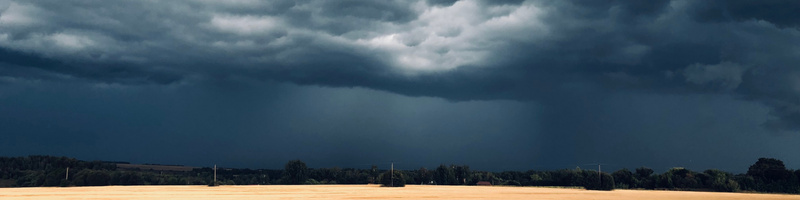
Severe Storms – Be Prepared
Severe storms can occur at any time of the year and may develop with little warning. They can cause significant damage through strong winds, lightning, hail, localised flooding, and fallen trees.
Storms can disrupt essential services, damage homes and property, and create dangerous conditions for residents. Being prepared can help reduce risks to your family and property.
Plan Ahead
Preparing before storm season can help minimise damage and improve your safety during severe weather events.
The Shire of Yilgarn encourages residents to take the following steps throughout the year:
-
Trim overhanging tree branches to reduce the risk of damage to buildings and vehicles.
-
Inspect your roof regularly and repair any damaged or loose roofing materials.
-
Clear gutters and downpipes of leaves and debris, particularly before periods of severe weather.
-
Install surge protectors to help protect electrical appliances and devices.
-
Keep a list of emergency contact numbers in an accessible location.
-
Prepare an emergency kit and household emergency plan, including arrangements for temporary accommodation if your home becomes unsafe.
-
Learn how to safely turn off water, electricity, and gas supplies if required.
-
Review your home and contents insurance regularly to ensure it adequately covers your property and possessions, including any recent renovations or additions.
Before a Storm
When a severe weather warning has been issued, take action early to protect yourself and your property.
If it is safe to do so:
-
Secure, store, or weigh down outdoor furniture and loose items.
-
Charge mobile phones and other essential devices.
-
Ensure your emergency kit is ready and easily accessible.
-
Monitor weather forecasts and warnings closely.
-
Adjust travel or outdoor plans as necessary and be prepared to seek shelter.
-
If you are camping, boating, or participating in outdoor activities, move to a safe location as soon as possible.
-
Have a torch and battery-powered radio available in case of power outages.
-
Be prepared to leave your property if flooding or structural damage threatens your safety.
Stay Safe During a Storm
A strong, enclosed building is the safest place to shelter during a severe storm.
During a storm:
-
Stay indoors and away from windows, skylights, and glass doors.
-
Follow emergency warnings and advice from authorities.
-
Monitor weather updates through the Bureau of Meteorology website, the BoM Weather and EmergencyWA apps, local radio, or emergency services communications.
-
Avoid using electrical appliances where possible during severe lightning activity.
-
Remain indoors until authorities advise that conditions are safe.
-
Be prepared to evacuate if your building becomes unsafe.
A useful reminder is: “When thunder roars, go indoors.”
Stay Alert After the Storm
Hazards can remain after a storm has passed. Continue to exercise caution and follow official advice.
After a storm:
-
Stay well clear of fallen power lines and report them immediately to Western Power on 13 13 51.
-
Be aware of damaged or unstable trees, branches, and structures.
-
Never walk, ride, or drive through floodwater. Water depth and current can be difficult to judge and may conceal hidden hazards.
-
Check your property carefully for damage before carrying out any clean-up activities.
-
Be aware that essential services such as electricity, telecommunications, water, sewerage, and gas may be disrupted.
-
Continue to monitor weather forecasts and emergency information, particularly where flooding remains a risk.
-
Follow instructions from emergency services and other authorities regarding access restrictions or recovery activities.
Being prepared and staying informed can help protect you, your family, and your property during severe weather events.
Floods
A flood at your home could be caused by external events, such as flash floods during storms, or by internal issues, including plumbing failures.
No matter where the water is coming from, there are steps you need to take to protect your household and home, prevent health hazards, and recoup as much of the cost of repairs as possible from your insurer.
Flash flooding
Flash flooding occurs after sudden storms, when the soil is unable to absorb the rainwater and the run-off collects in gullies or creates overland streams. Flash floods are difficult to predict which does not give you much time to take action.
Plan ahead
Try to keep your outside overflow relief gully clear, as this can help release any wastewater away from your home in the event of a sewer blockage. You can also:
- Check your flood risk for your property
- Check your insurance – flooding is often not covered by these policies
- Prepare an emergency kit and an emergency plan, including a relocation plan in case your home becomes flooded after heavy rain or the roof is damaged. You might also like to:
- Consider a plan for your pets
- Know how to turn off your water, electricity and gas
- Check on your neighbours to make sure they are ready
- Keep a list of emergency phone numbers on your fridge and in your phone
How to prepare before a flood
If a flood warning has been issued, follow the official alerts and warnings and if it is safe to do so:
- Grab your emergency kit and pack clothing, essential medications, valuables, personal papers, mobile phone, photos and mementos in waterproof bags;
- Let your family, friends and neighbours know what your plans are;
- Turn off your water, electricity and gas;
- Place a strong plastic bag full of sand or earth in the toilet bowl and over all drains to stop sewerage back-flow;
- Raise furniture, clothing and other valuables onto beds, tables and into roof spaces;
- Relocate chemicals to the highest level in your home;
- Tie and anchor outdoor garbage bins;
- Be ready to evacuate.
Stay safe during a flood
Floodwater can contain sewage – so take every precaution not to touch it.
The best actions to take can depend on whether the cause is external (such as storms or weather events) or internal (such as a burst pipe).
External issues
- Follow any official alerts and warnings;
- Avoid driving, walking, swimming or playing in floodwater;
- Stay well away from fallen powerlines — electrical current passes easily through water;
- Follow all instructions by emergency authorities and be prepared to react to changing situations;
- Evacuate when you are told to do so - or before. Before you leave and only if it is still safe to do so:
- Turn your water, electricity and gas off
- Empty refrigerators and freezers, leaving doors open
Internal issues
- Call the Water Corporation on 13 13 75 immediately if you have mains water overflowing anywhere on or near your property;
- Carefully evacuate the premises - any source of electricity can be extremely dangerous under flood conditions;
- Avoid walking or playing in the floodwater.
Be careful after a flood
After a flood, you need to wait until authorities have declared the area safe before you enter the flood zone. Remember: every source of electricity can be extremely dangerous under flood conditions.
It is important that you:
- Do not turn on any lights or appliances until a qualified electrician has checked the entire electrical distribution system;
- Treat every electrical item with the greatest care, indoors or out, under flooded or damaged conditions;
- Wait until water has fallen below floor level before entering your house;
- Wear rubber boots (or at least rubber-soled shoes) and rubber or leather gloves;
- Watch for loose floorboards, holes in the floor, protruding nails, and sagging ceiling areas which might be ready to fall;
- Check with gas and water authorities to determine whether supplies to your area have been interrupted and if they are safe to be turned on;
- Take lots of photos of all damage for insurance claims;
- Throw out any food which has been in floodwater, including sealed items unless you thoroughly disinfect them.
Extreme Heat and Heatwaves – Stay Safe
The two most important things to remember during hot weather are:
Extreme heat events are becoming more frequent across Western Australia and can have serious impacts on health and wellbeing. During periods of extreme heat, the body works harder to maintain a safe temperature, increasing the risk of heat-related illnesses such as heat exhaustion and heat stroke. In severe cases, these illnesses can be life-threatening.
Heatwaves are responsible for more deaths in Australia than any other weather-related hazard, making preparation and awareness essential.
Who Is Most at Risk?
Some people are more vulnerable to the effects of extreme heat, including those who are:
-
Aged 65 years and over
-
Taking certain medications, including diuretics and antihistamines
-
Living with chronic medical conditions such as diabetes, heart disease, Parkinson’s disease, or respiratory illnesses
-
Pregnant or breastfeeding
-
Living with dementia, disability, obesity, or substance dependence
-
Working outdoors or participating in strenuous outdoor activities
-
Experiencing homelessness or limited access to cooling
The Shire of Yilgarn encourages residents to look after themselves and check on family members, friends, neighbours, and others who may need support during periods of extreme heat.
Plan Ahead
Taking steps before hot weather arrives can help keep you safe and comfortable during a heatwave.
Consider:
-
Identifying air-conditioned locations in your community where you can cool down if needed.
-
Learning the signs and symptoms of heat-related illness.
-
Preparing an emergency kit and ensuring you have an adequate supply of drinking water.
-
Developing a plan for vulnerable household members and pets.
Keeping Your Home Cooler
You may be able to reduce indoor temperatures by:
-
Closing curtains, blinds, and shutters during the day.
-
Installing insulation to reduce heat entering your home.
-
Installing and maintaining air-conditioning systems.
-
Creating shade around windows using awnings, verandas, trees, shade sails, or shade cloth.
Staying Safe During a Heatwave
During periods of extreme heat:
-
Drink water regularly, even if you do not feel thirsty.
-
Rest frequently and avoid prolonged exposure to the sun.
-
Stay indoors or seek shade during the hottest parts of the day.
-
Spend time in air-conditioned locations where possible, such as libraries, community facilities, shopping centres, or swimming pools.
-
Wear loose-fitting, lightweight clothing.
-
Avoid strenuous physical activity during peak heat periods.
-
Take cool showers or baths to lower your body temperature.
-
Place your feet in cool water if you need quick relief from the heat.
-
Check regularly on older relatives, neighbours, and others who may be vulnerable.
Keeping Your Home Cool
To help reduce indoor temperatures:
-
Keep windows, doors, curtains, and blinds closed during the day.
-
Open windows during cooler evening and early morning periods if safe to do so.
-
Turn on air-conditioning before indoor temperatures become excessively hot.
-
Use fans in conjunction with other cooling methods where appropriate.
After a Heatwave
Even after temperatures begin to drop, it is important to:
-
Continue drinking plenty of water.
-
Check on vulnerable family members, friends, and neighbours.
-
Monitor yourself and others for signs of heat-related illness.
-
Rest and recover if you have been exposed to prolonged heat.
Recognising Heat-Related Illness
Heat-related illnesses can worsen quickly if left untreated. Early recognition and action can prevent serious health complications.
Heat Cramps
Signs:
What to Do:
-
Move the person to a cool place.
-
Remove excess clothing.
-
Encourage them to drink cool fluids or sports drinks containing electrolytes.
-
Seek medical advice if symptoms do not improve.
Heat Exhaustion
Signs:
-
Heavy sweating
-
Pale or clammy skin
-
Weakness or fatigue
-
Muscle cramps
-
Dizziness or fainting
-
Headache
-
Nausea or vomiting
What to Do:
-
Move the person to a cool, air-conditioned environment.
-
Lay them down and loosen or remove excess clothing.
-
Cool them with wet towels, cool water, or a cool bath.
-
Provide small sips of water or electrolyte drinks.
-
Seek medical assistance if symptoms worsen or do not improve.
Heat Stroke – Medical Emergency
Heat stroke is a life-threatening condition requiring urgent medical attention.
Signs:
-
Body temperature above 39°C
-
Hot, dry skin or altered skin colour
-
Rapid pulse
-
Severe headache
-
Confusion, disorientation, or unusual behaviour
-
Dizziness or loss of coordination
-
Nausea or vomiting
-
Collapse, seizures, or unconsciousness
What to Do:
-
Call 000 immediately.
-
Move the person to a cool location.
-
Begin cooling them using any available method, including cool water, wet towels, fans, or ice packs.
-
Continue cooling until emergency medical assistance arrives.
Keeping Pets Safe During Hot Weather
Never leave pets unattended in a vehicle, even for a short period.
Animals can suffer from heat stress and heat stroke just as humans can. Older animals, young animals, and some breeds are particularly susceptible to heat-related illness.
To help keep your pets safe:
-
Provide constant access to fresh, cool drinking water.
-
Ensure adequate shade and ventilation.
-
Use paddling pools, sprinklers, or gentle hosing to help pets cool down.
-
Avoid walking pets during the hottest part of the day.
-
Check surfaces such as roads and pavements before walking pets, as they can become hot enough to cause burns.
-
Limit vigorous exercise during hot weather.
Signs of Heat Stress in Pets
Watch for:
If you suspect your pet is suffering from heat stress or heat stroke, seek veterinary assistance immediately.
For additional information on caring for pets during hot weather, visit the RSPCA website.