Emergency planning and emergency kits
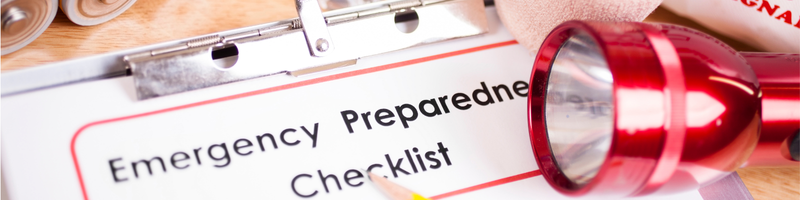
Emergencies Happen – Be Prepared
If you are in immediate danger, call 000.
Emergencies can take many forms. While people often think of major events such as bushfires, floods, or pandemics, emergencies can also include house fires, storm damage to your home, or burst water pipes causing flooding.
These events can occur without warning and may result in damage to property, disruption to daily routines, impacts on physical and mental wellbeing, and significant financial costs.
Although emergency services work hard to assist communities during emergencies, individuals are responsible for taking steps to prepare themselves and their households before, during, and after an emergency. Family members, friends, neighbours, and work colleagues are often the first people available to provide support when assistance is needed.
The Shire of Yilgarn encourages all residents to be prepared and to take practical steps to improve their resilience in an emergency.
Emergency Kits
Having an emergency kit ready can make a significant difference during an emergency. Your kit can be as simple or comprehensive as you choose, but it should meet the needs of everyone in your household, including pets.
There are two main types of emergency kits:
- Grab and Go Kit – designed for situations where you may need to leave your home quickly.
- Stay at Home Kit – designed to support you if it is safer to remain at home during an emergency.
Basic ‘Grab and Go’ Emergency Kit
Consider including:
- First-aid kit
- Waterproof torch or headlamp
- Battery-operated portable radio
- Spare batteries
- Whistle for attracting attention or calling for help
- Cash (in case electronic payment systems or ATMs are unavailable)
- Non-perishable food such as canned goods or energy bars
- Basic toiletries
- Change of clothing
- List of emergency contact numbers
- A copy of your emergency plan
- Checklist of additional items to take if evacuation becomes necessary
You can download an emergency plan template from the Australian Red Cross.
Additional Items to Take During an Evacuation
If it is safe and there is sufficient time before evacuating, consider taking:
- Medications and medical equipment
- Important personal and family documents (such as birth certificates, insurance information, and banking details)
- Mobile phone and charger
- Spare house and vehicle keys
- Items required for infants, older adults, people living with disability, injured persons, or pets
- Additional clothing and footwear for all household members
- Sturdy gloves
- Sleeping bags or bedding
- Sentimental or irreplaceable personal items
Basic ‘Stay at Home’ Emergency Kit
Your stay-at-home supplies should include:
- Enough food for up to two weeks
- Non-perishable food items
- Water for up to four days (allow at least three litres per person, per day)
- A minimum of 14 days’ supply of essential medications
- Cash for emergency use
Check and replace stored food, water, batteries, and medications regularly to ensure they remain usable.
Planning for Additional Assistance
If you have mobility limitations, live with disability, or may require support to prepare your property or evacuate safely, it is important to plan ahead.
Consider the following:
- Identify your specific needs, capabilities, and any limitations.
- Prepare a list of important information, including dietary requirements, medical conditions, medications, and your doctor's contact details.
- Provide a copy of this information to a trusted family member, friend, or neighbour who may be able to assist you during an emergency.
- Keep medications, duplicate prescriptions, and medical supplies in an easily accessible location.
- Ensure mobility aids and essential equipment are readily available.
- If you choose to evacuate voluntarily, advise a family member, friend, healthcare professional, or emergency worker of your destination, departure time, and expected arrival time.
Taking time to prepare now can help reduce stress, improve safety, and support a faster recovery when emergencies occur.