Power Outages – Be Prepared
Power outages can occur unexpectedly and may last for several hours or, in some cases, several days. Extended outages can affect homes, businesses, essential services, and the wider community.
A power outage may:
-
Disrupt communications, water supplies, and transport services.
-
Cause food spoilage and increase the risk of water contamination.
-
Prevent the use of electrically powered medical equipment.
-
Affect access to fuel, banking services, ATMs, shops, and other essential services.
-
Interrupt heating, cooling, lighting, and household appliances.
Being prepared can help reduce the impact of a power outage on your household and ensure you can remain safe and comfortable until power is restored.
Plan Ahead
The Shire of Yilgarn encourages residents to prepare for the possibility of extended power outages.
Consider the following steps:
-
Register for emergency alerts and warning services to stay informed of severe weather and other events that may affect power supplies.
-
Keep an emergency kit stocked with essential supplies.
-
Store enough non-perishable food and drinking water for several days.
-
Ensure mobile phones, power banks, and other rechargeable devices are fully charged when severe weather is forecast.
-
Keep vehicle fuel tanks topped up where possible.
-
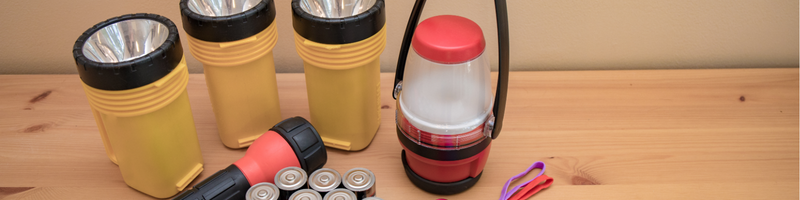
Have torches available for each household member and store spare batteries in an accessible location.
-
Consider alternative ways to meet basic needs during an outage, such as camping stoves, battery-powered lighting, or portable power supplies.
-
Ensure you know how to manually operate electric garage doors, gates, or security systems if required.
Medical and Health Considerations
If you or a household member relies on electrically powered medical equipment or refrigerated medication:
-
Speak with your healthcare provider about a power outage plan.
-
Understand how long medications can be safely stored without refrigeration.
-
Keep a list of important medical contacts and emergency numbers readily available.
-
Consider backup power options where appropriate and practical.
Stay Safe During a Power Outage
If the power goes out:
-
Use battery-powered lighting rather than candles wherever possible to reduce fire risk.
-
Keep refrigerator and freezer doors closed as much as possible.
-
A refrigerator will generally keep food cold for approximately four hours if unopened.
-
A full freezer may keep food frozen for up to 48 hours if the door remains closed.
-
Use eskies or coolers with ice if food needs to be kept cold for longer periods.
-
Unplug sensitive electrical appliances and equipment to protect them from power surges when electricity is restored.
-
Leave one light switched on so you know when power has returned.
-
Monitor local news, emergency services information, and official updates where possible.
Generator Safety
If using a generator:
-
Operate it outdoors only.
-
Position it well away from doors, windows, and ventilation openings.
-
Never use generators, camp stoves, barbecues, or charcoal grills indoors or in enclosed spaces.
-
Never use a gas oven or stovetop to heat your home.
Improper use of fuel-burning equipment can result in carbon monoxide poisoning, which can be fatal.
After a Power Outage
When electricity is restored:
-
Check appliances and electrical equipment before use.
-
Reset clocks, alarms, and electronic devices as required.
-
Inspect refrigerated and frozen food carefully before consuming it.
Food Safety
If food has been exposed to unsafe temperatures:
-
When in doubt, throw it out.
-
Discard food that has been above safe storage temperatures for extended periods.
-
Throw away any food with an unusual smell, appearance, or texture.
-
Consider taking photographs of spoiled food before disposal if you intend to make an insurance claim. Check with your insurer regarding evidence requirements.
Medication Safety
If refrigerated medications have been affected by a prolonged outage:
-
Check the medication packaging and storage instructions.
-
Contact your doctor or pharmacist for advice before continuing to use the medication.
-
Arrange replacement supplies as soon as possible if refrigeration requirements have not been maintained.
Stay Informed
During and after a power outage, continue to monitor official information sources for updates on restoration times, safety advice, and any ongoing community impacts.
For information about outages, faults, and restoration updates, visit the Western Power website or contact your electricity provider directly.
Preparing for power outages before they occur can help protect your household, reduce disruption, and support a quicker recovery when power is restored.